
If your teenager is struggling with mental health disorders, you already know that weekly outpatient therapy may not be enough. When depression deepens, anxiety spirals, self-harm emerges, or substance use enters the picture, families across Connecticut, New York, and New Jersey face the same urgent question: Where can my child get real, lasting help – and how do I find the right program fast?
The tristate area includes New York, New Jersey, and Connecticut, and it offers a wide range of treatment options but not all of them are designed with adolescents in mind. In this guide, “teen treatment programs” refers specifically to clinical mental health and co-occurring substance use programs at the residential and outpatient levels, not generic counseling or mentoring. Adolescent treatment facilities focus on mood disorders, anxiety, trauma, and co-occurring challenges that require more intensive support than a therapist’s office can provide.
This article spotlights high-quality, evidence-based programs within the broader tristate region, with particular attention to Connecticut residential options that draw families from across the area. Teens aged 12 to 18 can receive treatment in residential programs, and effective residential treatment combines therapy, academic support, and family involvement.
Newport Academy operates accredited, gender-responsive residential campuses in Connecticut, and those campuses are included in this guide alongside other reputable local and regional options. This is a curated list focused on programs that are distinct, well-regarded, and purpose-built for teens.
How We Chose the Best Teen Treatment Programs in CT, NY & NJ
Programs across Connecticut, New York, and New Jersey were evaluated using criteria that matter most to families making urgent decisions about their teen’s care. Here is what we looked for and why each factor counts.
- Clinical quality: Use of evidence-based therapies including CBT, DBT, EMDR, attachment based family therapy, and trauma-focused care paired with integrated psychiatric care and medication management. Evidence-based therapies include CBT, DBT, and trauma-focused therapies that are proven to reduce symptoms of depression, anxiety, PTSD, and self-harm.
- Teen specialization: Programs designed specifically for adolescents ages 12–18 rather than adult-first facilities with a small teen track. Gender-responsive treatment is essential for effectively addressing adolescent mental health issues, particularly when relational safety and peer dynamics are central to recovery.
- Levels of care: Top-rated adolescent mental health treatment centers offer residential, partial hospitalization, and intensive outpatient programs so families can match the level of support to the severity of symptoms. Programs may focus on mental health, substance use, or both.
- Accreditation and licensing: Joint Commission (“Gold Seal”), CARF, and state licensure from agencies like Connecticut’s DCF or New Jersey’s Office of Licensing. Accredited facilities meet established standards for quality care, and insurance and licensing are critical factors when selecting a treatment center.
- Academic support: On-site or coordinated schooling with certified teachers so teens don’t fall behind. Programs with academic integration help ensure students maintain educational progress during treatment.
- Family involvement: Structured family therapy sessions, parent education workshops, and regular clinical updates. Family involvement plays a significant role in adolescent treatment outcomes and separates strong programs from mediocre ones.
- Environment and safety: Home-like, secure campuses with 24/7 supervision and gender-appropriate housing that create a safe and supportive environment for healing.
- Insurance and accessibility: Participation with most major insurance providers (Aetna, Cigna, UnitedHealthcare, Anthem/BCBS, TRICARE) plus an insurance verification process that helps families understand coverage before admission. Most residential treatment centers accept major insurance plans, and many private insurance plans cover mental health treatment.
- Outcomes and reputation: Published outcome data, years in operation, third-party research partnerships, and consistent feedback from families and referral sources.
Programs primarily treating adults, brief detox-only settings, or those without dedicated teen-specific services were excluded. The final list highlights roughly seven standout options across CT, NY, and NJ.
Best Teen Treatment Programs in the Tristate Area
The following programs are listed in no particular order. All are credible options — the right choice depends on your teen’s gender, diagnosis, location, and required level of care, not on ranking position. Connecticut residential programs are especially highlighted because many tristate families seek a nearby but out-of-home setting that offers distance from daily stressors while remaining within driving range.
It’s important to note that while Newport Academy offers excellent care, we recognize that no single program is the best fit for every family. Each teen’s needs are unique, and we encourage families to assess all options carefully to find the program that aligns best with their teen’s clinical and personal requirements.
1. Newport Academy Residential Campuses in Connecticut
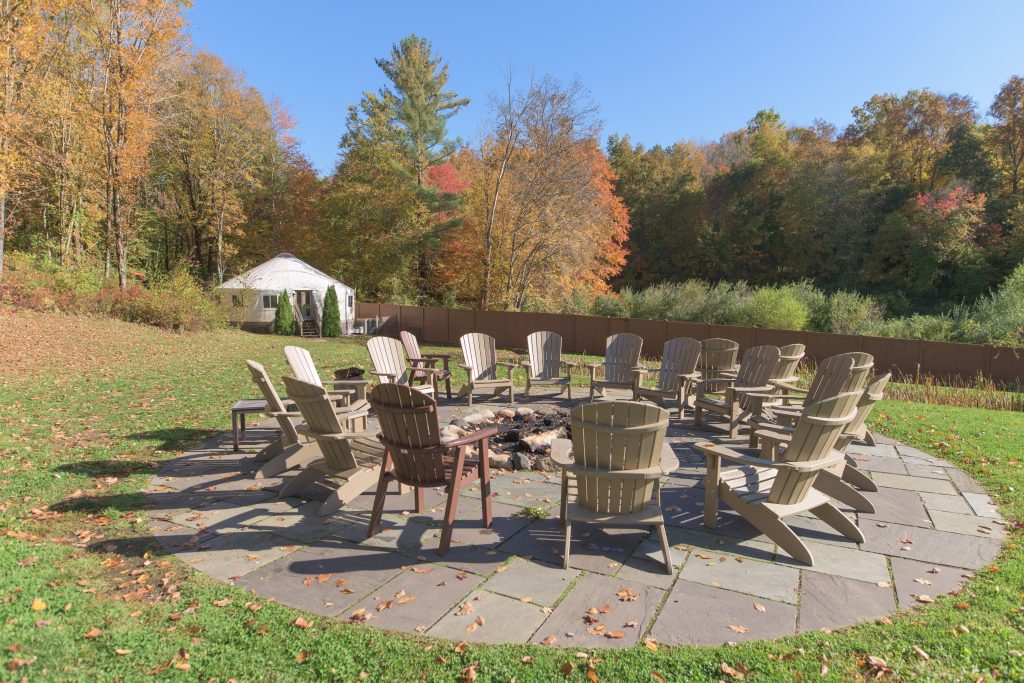
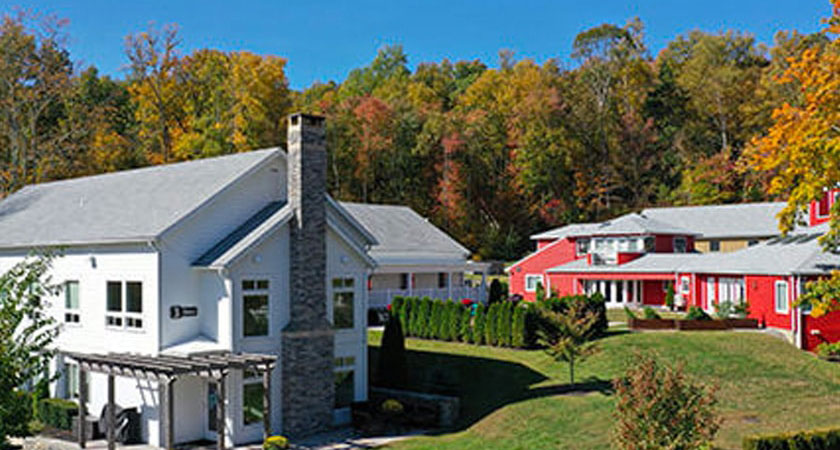
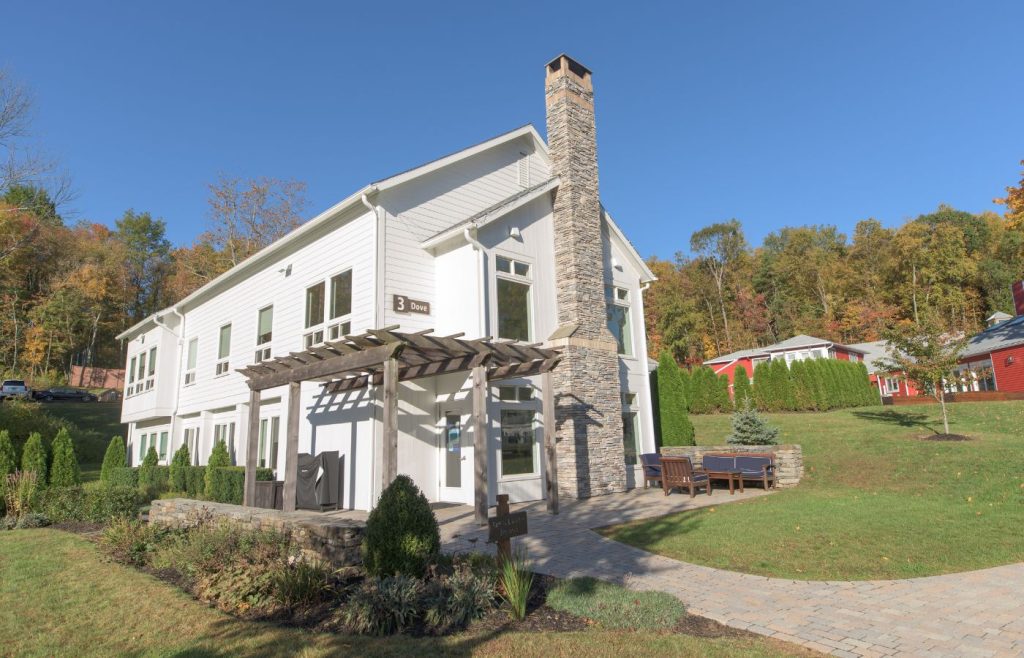
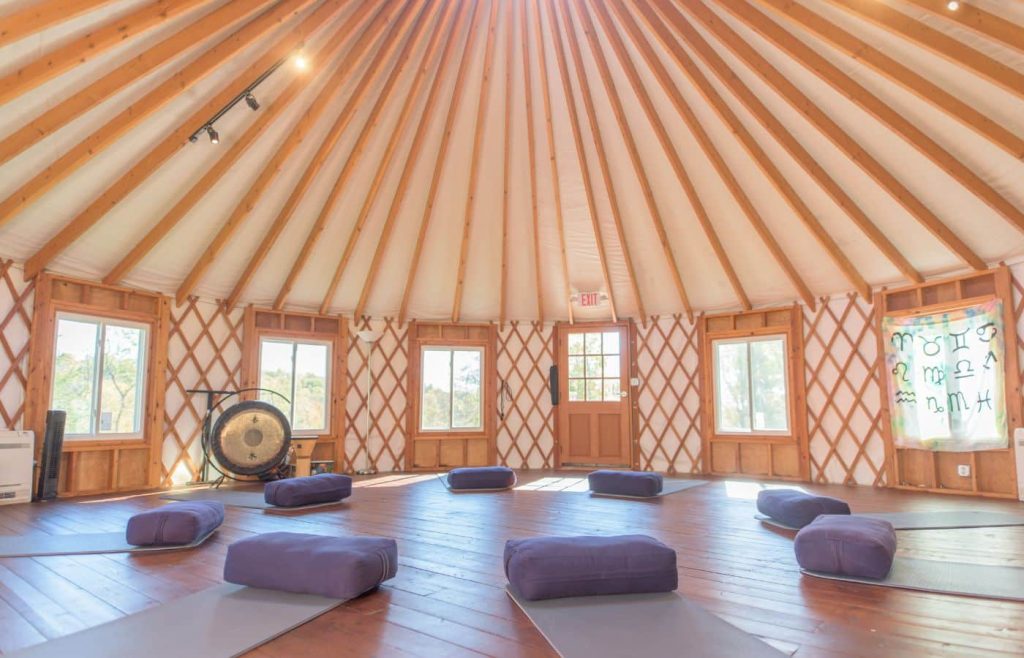

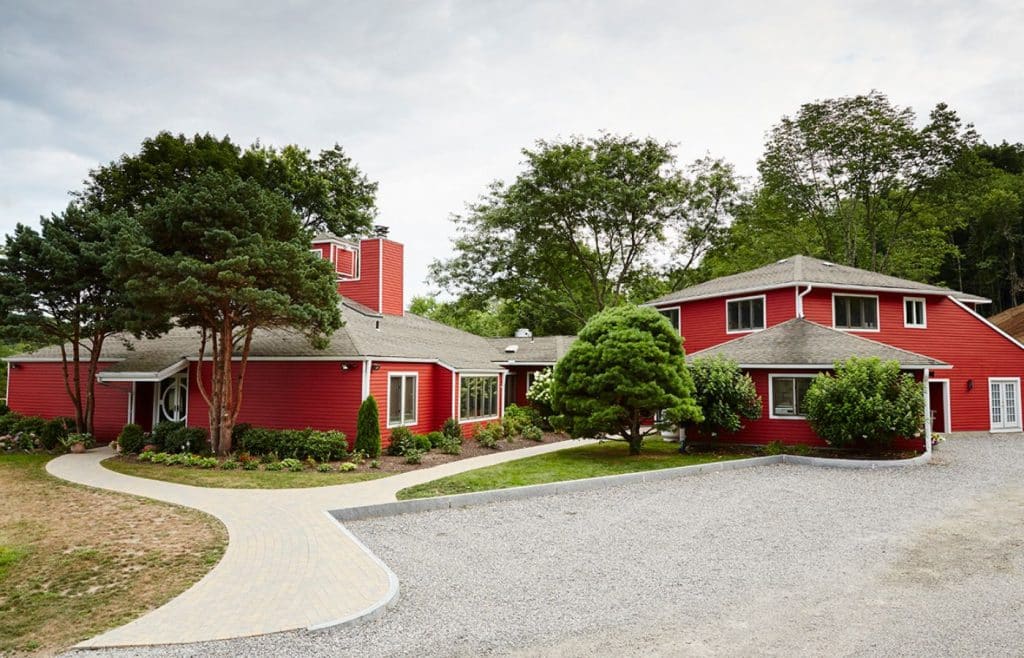
Newport Academy operates three gender-responsive residential treatment campuses in Connecticut: Double Hill Campus and Todd Hill Campus in Bethlehem, and the Seymour (Roosevelt) Campus in Seymour, CT. These campuses serve teens ages 12–20, providing intensive, evidence-based care for mental health disorders and co-occurring substance use.
Why They Stand Out
Together, these campuses offer a comprehensive continuum of care with integrated therapies such as CBT, DBT, attachment based family therapy, mindfulness, and trauma-informed approaches. Experiential therapies including adventure therapy, yoga, art, and music therapy complement clinical work. Family involvement is a core component, with weekly family therapy sessions and parent education to support long-term recovery. Academic support is integrated to ensure teens keep up with schoolwork.
The campuses specialize in treating depression, anxiety, trauma/PTSD, substance use, self-harm, and eating disorders. Our Seymour location also offers OCD-specific treatment for males ages 13–20. This treatment includes high-dosage ERP therapy as well as treatment for conditions that often accompany OCD, such as social anxiety, panic disorders, and body dysmorphia. They accept most major insurers, including TRICARE and Blue Cross Blue Shield, and provide a safe, home-like environment with 24/7 clinical care.
Best For
- Families seeking gender-responsive, accredited residential treatment within driving distance of NYC, NJ, and CT
- Teens needing intensive, round-the-clock care for complex mental health and behavioral health issues
- Males ages 13–20 who need specialized treatment for OCD and co-occurring disorders
- Those looking for a program with strong family involvement and academic support
Key Strengths
- Three distinct campuses serving teen girls and boys with specialized programming
- Licensed clinicians providing multiple weekly individual and group therapy sessions
- Accredited by the Joint Commission with outcomes tracked by independent research
2. The Bridge Teen Center (New York, NY)
The Bridge Teen Center offers residential and outpatient programs focused on adolescent mental health and co-occurring disorders in New York City. Their residential program provides a structured environment with evidence-based therapies including CBT, DBT, and trauma-informed care.
Why It Stands Out
Located in NYC, The Bridge is accessible for families wanting to stay close to home. It emphasizes cultural competence and individualized care plans, with strong family therapy components and academic coordination.
Best For
- NYC-area teens needing residential care for mental health and substance use disorders
- Families seeking programs with a focus on cultural sensitivity and urban setting
Key Strengths
- Comprehensive residential and outpatient levels of care
- Strong integration with local schools for academic support
- Family engagement through regular therapy and education
3. Center for Family Guidance (Paramus, NJ)
The Center for Family Guidance provides residential and outpatient adolescent treatment programs in New Jersey, specializing in mental health and substance use disorders. Their residential program offers evidence-based therapies including CBT, DBT, and family systems therapy.
Why It Stands Out
The Center emphasizes family involvement and offers a range of services including psychiatric care and academic support. It serves a diverse population in Northern New Jersey.
Best For
- NJ families seeking residential care close to home
- Teens requiring integrated mental health and substance use treatment
Key Strengths
- Multidisciplinary clinical team
- Family-centered treatment approach
- Coordination with local schools for academics
4. The Hills Treatment Center (Staten Island, NY)
The Hills Treatment Center offers residential treatment for adolescents with mental health and substance use disorders in the New York tristate area. Their program incorporates evidence-based therapies alongside recreational and experiential activities.
Why It Stands Out
A well-established program with a holistic approach that includes psychiatric care, family therapy, and academic services.
Best For
- Teens in the NYC tristate area needing residential care
- Families valuing a comprehensive, integrative treatment model
Key Strengths
- Experienced clinical staff
- Emphasis on aftercare planning
- Academic support and psychiatric services
5. Horizon House (Bridgewater, NJ)
Horizon House offers residential treatment for adolescent behavioral health issues including mental health disorders and substance use. The program uses evidence-based therapies such as CBT, DBT, and family therapy.
Why It Stands Out
Located in a suburban setting, Horizon House provides a structured, supportive environment with a focus on skill-building and family involvement.
Best For
- NJ teens needing residential care with strong family therapy
- Families seeking a suburban campus with experiential therapy options
Key Strengths
- Accredited program with multidisciplinary team
- Focus on life skills and relapse prevention
- Insurance participation
6. Paradigm Treatment (New Jersey and Texas)
Paradigm Treatment offers adolescent residential treatment programs with a focus on mental health, substance use, and behavioral challenges. Their program emphasizes intensive individual and group therapy, family involvement, and evidence-based therapies like CBT and DBT.
Why It Stands Out
Paradigm provides a comprehensive care model that integrates clinical therapy with experiential programming and family support. They conduct thorough medical and psychiatric evaluations, ensuring specialized care tailored to each teen’s needs.
Best For
- Teens and families seeking intensive, individualized residential treatment
- Those who value a holistic approach combining therapy, experiential activities, and family involvement
- Families looking for programs with strong insurance participation and comprehensive evaluation services
Key Strengths
- Four individual therapy sessions weekly alongside daily group therapy
- Multidisciplinary clinical team including registered nurses and psychiatric support
- Strong focus on family therapy and parent coaching
- Thorough medical, psychiatric, psychological, and nutritional evaluations
Quick Comparison of Leading Tristate Teen Treatment Options
Use this cheat sheet to match the right program type with your family’s situation:
- Newport Academy Residential Campuses (CT): Best for teens needing gender-responsive, evidence-based residential care with strong family involvement and academic support.
- The Bridge Teen Center (NYC): Best for urban families seeking culturally competent residential and outpatient care.
- Center for Family Guidance (NJ): Best for NJ families wanting integrated mental health and substance use residential services close to home.
- The Hills Treatment Center (NY): Best for teens needing a holistic residential program in the tristate area.
- Horizon House (NJ): Best for suburban NJ families seeking residential care with life skills focus.
- Paradigm Treatment: Best for families seeking intensive, individualized residential treatment with comprehensive clinical and family support.
How to Choose the Right Teen Treatment Program in the Tristate Area
The “best” program is the one that matches your teen’s symptoms, safety needs, logistics, and financial situation. Talk directly with clinicians and admissions teams — not just marketing materials — before making a decision.
Choose Based on Level of Care Needed
Understanding the differences among levels of care is the single most important step in narrowing your options. Level of care needs may range from inpatient stabilization to outpatient programs:
- Outpatient therapy: Weekly or biweekly sessions with a therapist — appropriate for mild to moderate mental health concerns.
- Intensive outpatient program (IOP): Multiple therapy sessions per week while the teen lives at home — suited for moderate symptoms or as a step-down from higher care.
- Partial hospitalization program (PHP): Full-day structured treatment, returning home each evening — designed for teens needing more intensive support than IOP without 24/7 supervision.
- Residential treatment: Live-in care with 24/7 clinical oversight. Residential treatment centers provide 24/7 clinical care for teens. Residential treatment is suitable for severe emotional or behavioral issues that can’t be safely managed at home.
- Inpatient hospitalization: Short-term psychiatric stabilization for acute crises (active suicidal behavior, psychosis, medical emergencies).
When suicidal thoughts, self-harm, or unsafe behaviors are present, they often indicate a need for residential or inpatient care. Frequent crises may indicate a need for treatment at a higher level. Inability to function at school can signal treatment necessity. When school refusal, severe anxiety, or escalating substance use is the primary concern, PHP or IOP may be the right starting point. A licensed mental health professional or pediatrician can help determine the appropriate level.
Choose Based on Clinical Fit & Specialization
Verify that a program frequently treats your teen’s primary mental health conditions. If your child has trauma and PTSD, the program should have clinicians trained in EMDR and trauma-focused CBT. If eating disorders or OCD are central, look for a dedicated track. Signs of depression or anxiety may require professional support from clinicians who specialize in those areas, and substance use issues often indicate a need for intervention that integrates mental health and substance use treatment simultaneously.
Gender-responsive care matters. Separate residential programs for boys and girls improve emotional safety, reduce social distraction, and allow therapists to tailor group therapy to gender-specific developmental needs. Changes in mood or behavior can suggest a teen needs help, and the right clinical setting will address the root causes rather than just surface symptoms.
Evidence-based treatment methods to look for include CBT, dialectical behavior therapy, EMDR, attachment based family therapy, and trauma informed therapy — particularly for teens with complex co-occurring disorders.
Choose Based on Location, Family Involvement & Insurance
Location: Many tristate families choose Connecticut campuses because they’re drivable from NYC, Westchester, Long Island, and northern New Jersey — close enough for regular visits but far enough to remove teens from daily stressors and peer influence.
Family involvement: Involving families supports long-term recovery after treatment. Look for programs offering weekly family therapy, parent education, and regular updates from clinicians. Family empowerment groups teach parents effective communication skills that carry over into daily life long after discharge.
Insurance: Teen rehab costs vary by treatment level and duration, making insurance coverage a critical factor. The Affordable Care Act mandates mental health coverage as essential, and federal parity laws require equal coverage for mental health and medical care. Key questions to ask:
- Is the program in network with your plan, or does it help you maximize out of network benefits?
- What does the insurance verification process look like, and does the admissions team assist with preauthorization?
- Are there length-of-stay limits or carve-outs for substance use disorders?
Programs like Newport Academy actively help families verify insurance benefits before admission, reducing financial surprises.
Which Tristate Teen Program Is Best for Your Family?
Rather than chasing a “prestige” name, match your teen’s needs to the program that addresses them most directly:
- Choose Newport Academy Residential Campuses if you have a teen needing immersive, gender-responsive residential care with strong academics, family therapy, and evidence-based clinical depth.
- Choose The Bridge Teen Center if you want a culturally competent, urban residential and outpatient program in New York City.
- Choose Center for Family Guidance for integrated residential mental health and substance use treatment in New Jersey.
- Choose The Hills Treatment Center for a holistic residential program with strong aftercare planning in the tristate area.
- Choose Horizon House if you prefer a suburban New Jersey campus with a focus on life skills and family involvement.
- Choose Paradigm Treatment if you want intensive, individualized residential treatment with comprehensive clinical and family support.
A brief phone assessment with a clinical admissions team can clarify next steps within minutes — there’s no obligation, and it often provides more clarity than hours of online research.
Final Thoughts & Next Steps with Newport Academy
Teen mental health needs across the tristate area are rising, but strong, evidence-based treatment options are closer to home than many families realize. The right residential program can be a turning point. Newport’s outcome data shows suicidal thoughts dropping from approximately 36% to 16% and suicide plans falling from 17% to under 5% within five weeks of residential treatment.
Newport Academy offers families in the tristate area a clear path forward:
- Three Joint Commission–accredited residential campuses in Connecticut (Double Hill, Todd Hill, and Seymour) serving teen girls and boys with gender-responsive, individualized care
- Evidence-based modalities (CBT, DBT, EMDR, ABFT, experiential therapy) and independent outcomes research showing significant improvements in depression, anxiety, and suicide risk
- Family-centered treatment including weekly family therapy, parent education, and aftercare planning that supports long-term recovery
- Insurance participation with most major insurance providers, including TRICARE and Blue Cross Blue Shield